

Two things are working against you.
Denver's climate. Our high altitude and semi-arid climate mean the air outside holds very little moisture to begin with. Winter makes this worse, because cold air simply can't hold much water vapor.
Your furnace. When that cold, dry outdoor air leaks into your home and gets heated up, its relative humidity drops even further. Running a furnace all winter essentially bakes the little moisture left out of your indoor air.
The result is a home that can feel comfortable at 70 degrees on the thermostat but still leave you feeling dry, itchy, and uncomfortable.
Signs Your Home Is Too Dry
Dry air shows up in your body and in your house. Watch for these:
- Static shocks when you touch doorknobs, light switches, or even your pets
- Dry, itchy skin and chapped lips
- A scratchy throat, dry cough, or irritated sinuses
- Frequent nosebleeds, especially at night
- Waking up congested or with a dry mouth
- Wood floors that gap or creak, or furniture and trim that crack
- Houseplants that struggle even when you water them
- Paint or wallpaper that peels or cracks at seams
If you're checking off more than a couple of these, your indoor humidity is likely too low.
Quick Fixes vs. a Long-Term Solution
You can try a few things on your own to take the edge off.
Portable humidifiers. A small room humidifier can help in a bedroom or office. The downside is that they only treat one room at a time, they need to be refilled and cleaned often, and they can't keep up with a whole house in a Denver winter.
Simple habits. Letting dishes air dry, cooking with lids off now and then, and keeping houseplants can add a little moisture. These help, but they rarely solve the problem on their own.
A whole-home humidifier. This system connects directly to your furnace and ductwork. It adds moisture to the air as it circulates, so every room benefits without refilling a single tank. For most Denver homes, this is the fix that actually lasts.
What a Whole-Home Humidifier Does
A whole-home humidifier works with your existing heating system. As warm air moves through your ducts, the humidifier adds a controlled amount of moisture before that air reaches your rooms. A humidistat monitors your indoor humidity and adjusts automatically, so you don't have to think about it.
Benefits go beyond comfort:
- Better comfort at a lower temperature. Air with the right moisture level feels warmer, so many homeowners can set the thermostat a little lower and still feel comfortable.
- Protection for your home. Hardwood floors, trim, cabinets, and furniture are less likely to dry out and crack.
- Relief for you and your family. Less dry skin, fewer scratchy throats, and easier breathing at night.
- No daily upkeep. There are no tanks to fill, just routine maintenance once a year.
Take Control of Humidity From Your Thermostat
If you already have a humidifier, or are thinking about adding one, the control you pair with it makes a big difference in how comfortable your home actually feels.
With a standard humidistat, the setting lives on the furnace or in the ductwork. Most homeowners set it once in the fall, forget it, and never touch it again, even when the weather swings from a 60-degree afternoon to a below-freezing night. That's how homes end up too dry on some days and too damp on others.
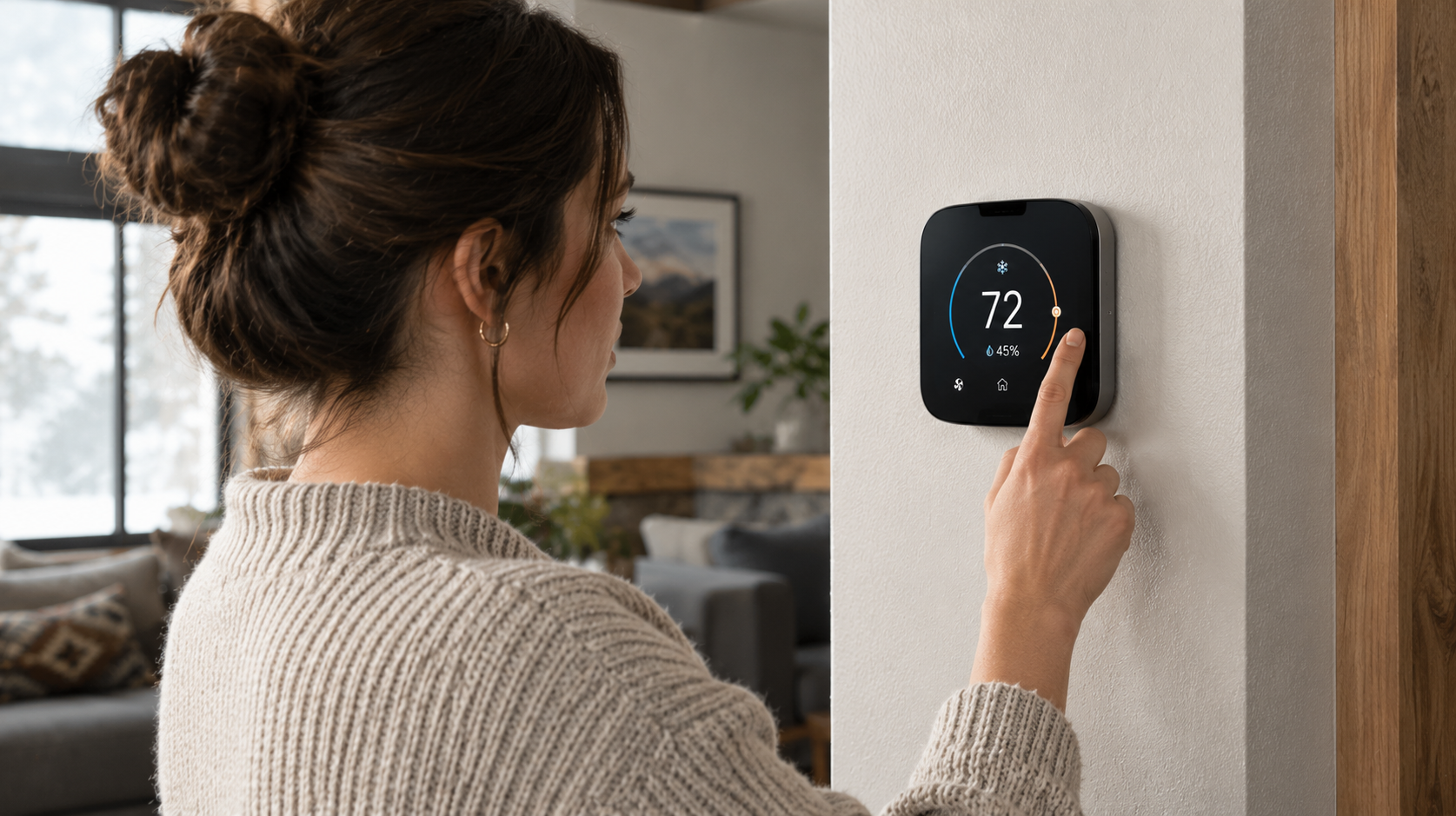
A humidity-controlled smart thermostat puts the setting where you can see and change it, right at the thermostat on your wall or on your phone. That gives you:
- Better comfort control. Adjust temperature and humidity together, instead of guessing at a setting you can't see.
- Easy seasonal adjustments. Lower the humidity target when a deep freeze hits to avoid condensation on windows, and raise it again when things warm up.
- See what's happening. Read your actual indoor humidity at a glance, no separate hygrometer needed.
- Less to remember. Schedules and phone control make it easier to stay in the comfortable range all winter.
Adding one is a simple upgrade, and you can do it alongside a humidifier installation or a regular tune-up.
What's the Right Humidity Level for Your Home?
Most experts recommend keeping indoor humidity between 30 and 50 percent.
You can also overdo it. Too much moisture can lead to condensation on windows and, over time, mold or mildew. During the coldest stretches of winter, you'll want your humidity setting a little lower so moisture doesn't collect on cold windows and walls. A professional can help you set it correctly and adjust it through the season.
Why Professional Installation Matters
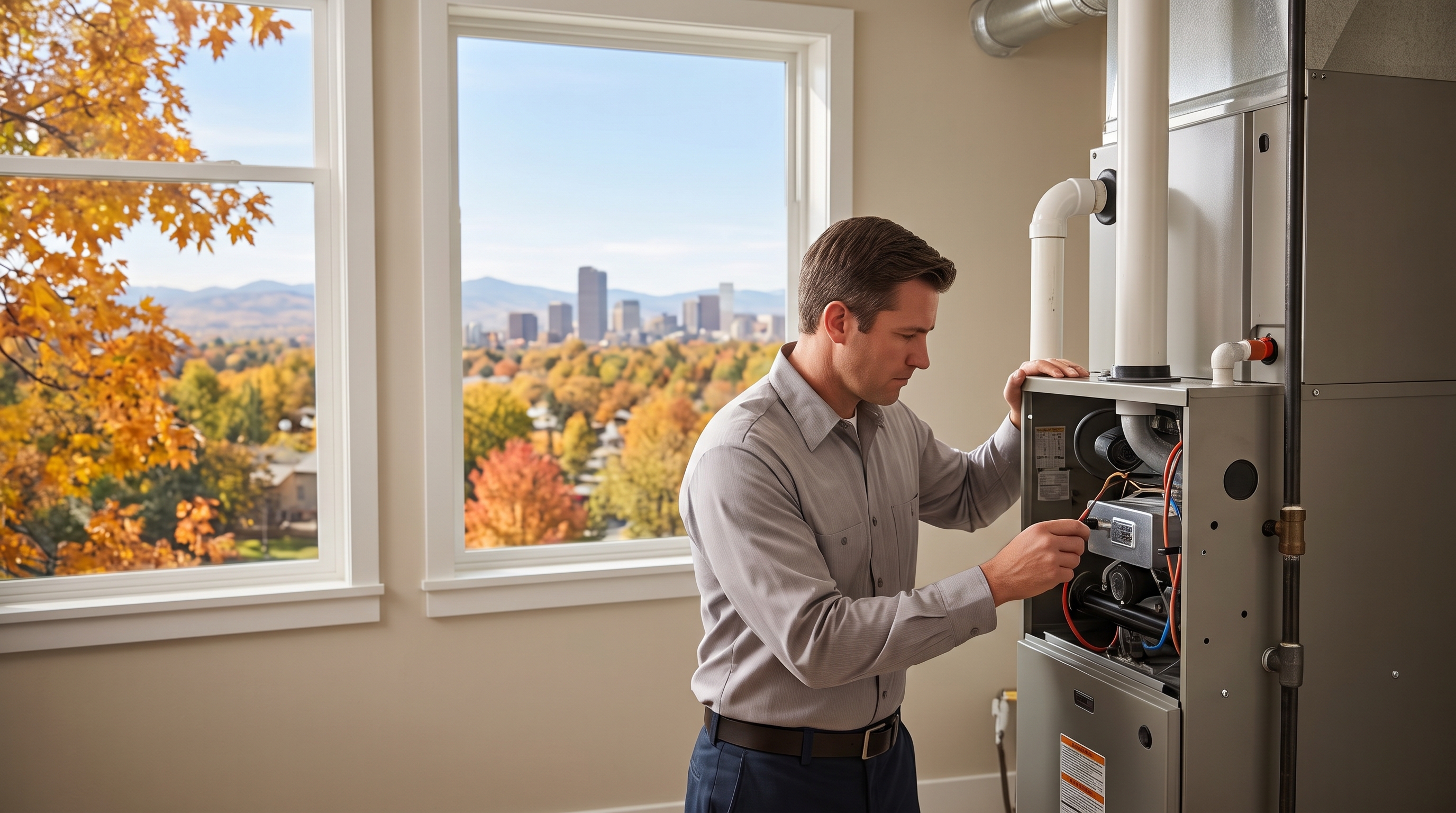
A humidifier only works well if it's sized correctly and connected properly to your furnace and ductwork. A professional installation ensures your system matches your home's size, that water and electrical connections are done safely, and that your humidity-controlled thermostat is set up to protect both your comfort and your home.
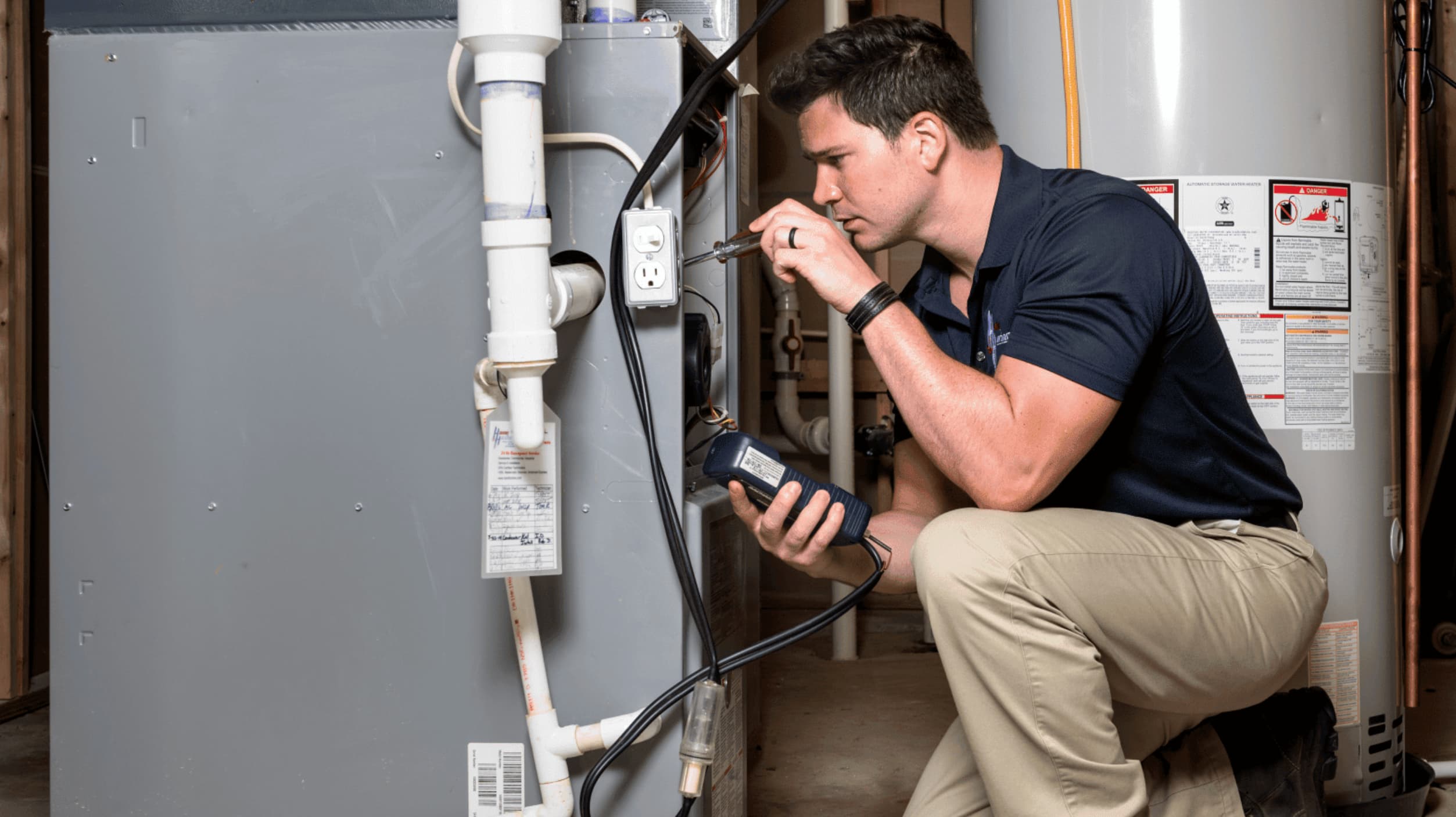
It's also a good time to have your furnace looked at. A pre-season tune-up checks that your heating system is running safely and efficiently, and it's easy to pair that visit with a humidifier consultation.
Get Ahead of the Dry Season
The sooner you add moisture back into your home, the sooner you stop feeling the effects. Scheduling in October means you can choose from appointment times before the winter rush, and you'll stay comfortable for the whole heating season.
Gale Force Heating & Air helps Denver homeowners with humidification, air quality, and heating services, including 24/7 emergency service if something goes wrong. Schedule an appointment or call us at (303) 286-1478.